20/11/21: Hallelujah!

I’ve long been a fan of Leonard Cohen’s extraordinary song, “Hallelujah!” It’s particularly, I think, the tension between the word ‘Hallelujah’ and the mournful, haunting tune. And Cohen’s voice itself is astonishing low, I’ve tried to sing at his register and it literally hurts to do so. As one combined package it really is amazing.

Except for one thing – the words to the verses. Which have biblical references but, on the face of it, don’t make any sense at all. Many thanks to my sister in law Carolyn for pointing me to this website which helps to explain things from Cohen’s point of view, including his depression and the concept of a ‘secular Hallelujah’.

But it occurred to me – keep the chorus and the tune, then write new words with the underlying premise: we praise God in all circumstances. Particularly, there is the call to continue praising God when things are tough, life is difficult, God seems distant.

So that’s what I’ve done! Do let me know what you think. As I’ve been saying with my ‘Psalm Praise’ recordings, would love to work with a singer, but for the moment you’re stuck with me. Thank you for reading – and listening. Love to you all, back again soon.

14/11/21: supporting homes for vulnerable children

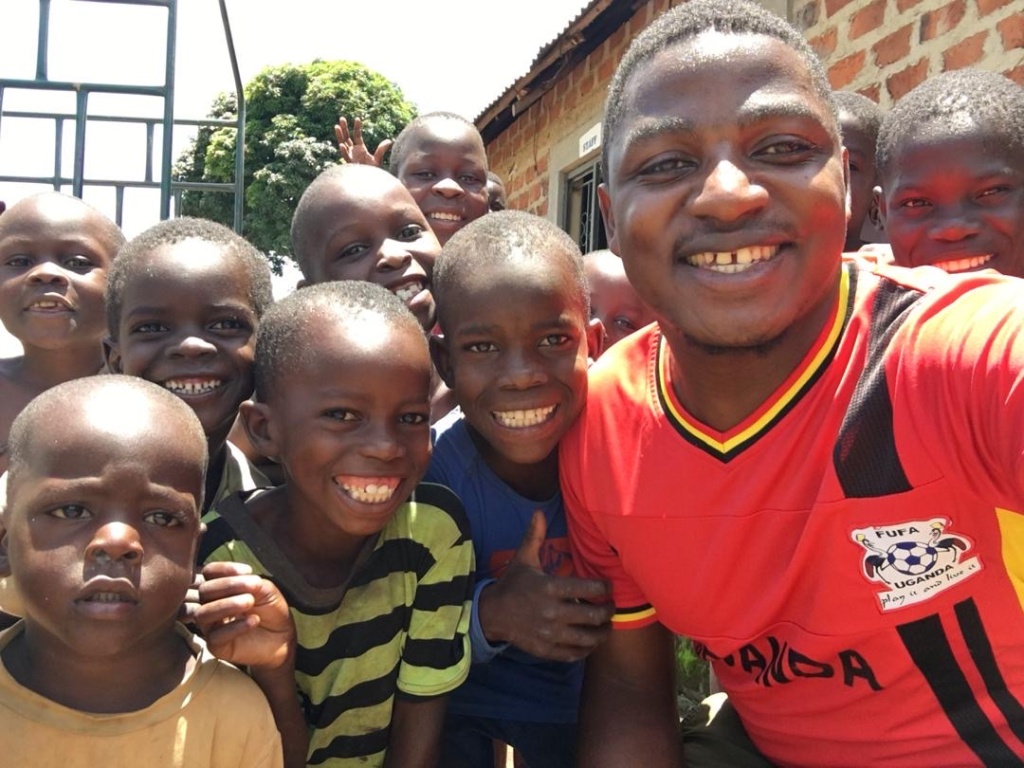
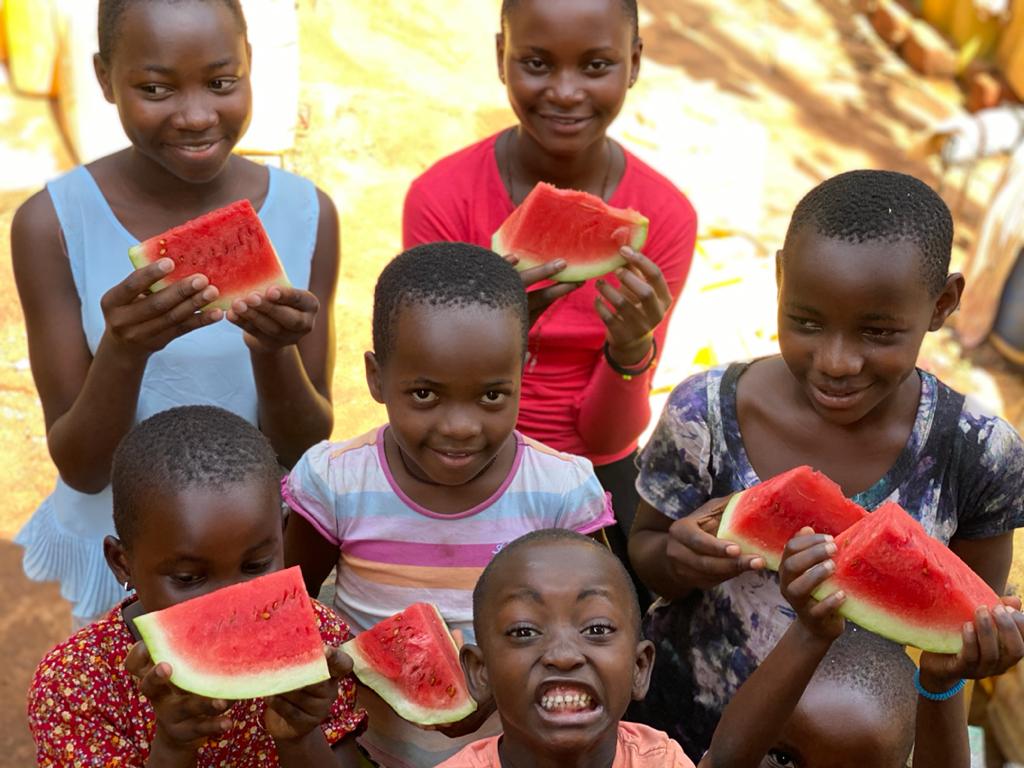
Regular readers of this blog will know that supporting homes for vulnerable children (HVCs) is very much on my heart. In this post I discussed the rights and wrongs of what I was at the time calling orphanages. Living in institutions is clearly not ideal, but in a country with a very young demographic there is a huge need for accommodation of children, as far as I can make out, well beyond the provision of places within family settings. Meanwhile, the HVCs I am aware of are set up by Ugandan people for Ugandan children selflessly and tirelessly working on behalf of their children, with often the leaders themselves having experience of living on the streets.

(Parenthetical point: I am now using the term home for vulnerable children, or HVC, for two reasons. One is that there can be sensitivities around other terms, particularly orphanages. The other is that it can be the case that children living in HVCs are not orphans in the literal sense of the word. Admissions criteria to HVCs is one of many things on my mind, certainly, if an alternative can be provided by wider family members or families in the community, then that needs to be actively pursued. Hope this is making sense!)

In this blog post I wrote about the 4 HVCs for which I’ve put together simple websites, thank you for visiting!

Meanwhile, HVCs operate without state assistance. There can be opportunities eg. to farm land attached to buildings, but in general HVCs are dependent to a very large extent on foreign donations. Experience working with leaders of HVCs leads me to believe that this is an extremely difficult thing to do from a number of points of view. One approach which can be successful is working with social media, this does, however, give rise to abusive messages from people thinking they are being scammed. Accessing support from large organisations in practice is difficult, with all manner of things which need to be put in place which for small organisations is difficult. And then access to services like PayPal is also very hard in this part of the world, with accounts constantly getting blocked – if it’s even possible to set them up in the first place.

So, I am offering my services as a channel for donations to 4 HVCs. I have already been doing this through PayPal, as you can see – top right of this page – I have added a page to my website enabling donations to be made. As far as I can see it is not possible within the donation to send me a message so ask that this is done separately.

So please consider giving on a one-off or regular basis. Please check out the websites and see what they’re doing. Get in touch with the leaders to see if you can support particular children if that’s what you’d like to do. Any thoughts you might have please do let me know. Thank you for reading today!

7/11/21: in honour of ‘Psalm Praise’

‘Psalm Praise’ was published in 1973, much at the same time as I started as a child chorister at the church where my father was a young vicar (senior pastor). The front cover is remarkably unassuming:

As its name suggests, it is mostly settings of Psalms, including a small number of Anglican chants, most of its contents being metrical psalms, ie. settings of psalms in the form of hymns.

So far, so unremarkable. Yet at the time it was hugely controversial. I was too young to be aware of this, but my father introduced it to his church against considerable opposition, with people very attached to traditional forms of Anglican worship and not wanting to change. Thank you for standing firm, Dad!

Meanwhile, ‘Psalm Praise’ includes some beautiful settings of psalms, some of which, to my knowledge, still get sung occasionally, but many which are not. Which I think is a shame! And delighted to take delivery yesterday of some stuff which I sent from the UK, including my piano! So I have decided finally to do something which I have been thinking about for a while, which is to make recordings of songs from ‘Psalm Praise’, initially my favourites, then I’ll see where to go from there.

So, I have almost everything I need. I am happy that my keyboard playing tasks are up to the task. I have the camera and other recording equipment I need. I have a video editor standing by – thank you, Elijah! Just one thing, though – I am very aware that I am not a very good singer, not at all. I can mask this to some extent by accompanying myself – but only to a small extent. So, if you’re reading this and think this would be a good thing to do, please let me know, I can send you mp3 files of me playing, I would love to have your help!

I’ve added a section to my YouTube channel, “A Minute a Day to Pray” for this purpose. Expecting to replace this recording with one after Elijah has worked on it, but wanted to get on and make a start. As always, really interested to know what you think! Thank you for reading!

30/10/21: please help me spread the word!

Over the last few months I’ve been helping 4 organisations looking after young people put together simple websites. They’re all now up and running, so I thought it was a good time to ask for help in spreading the word!

Pictured above is Kampala Christian Orphanage. Alex Mumpe, the director, on the right of the picture, tracked me down through Facebook some years ago, I was able to visit in August 2019 whilst located in the UK. It was that visit which was a major contributory factor in wanting to come here to work. Find out more by checking out the website!

Through Kampala Christian Orphanage I got to know Ludger, a Christian from Germany who does an amazing work supporting initiatives going on in East Africa. It was through Ludger that I was introduced to Little Souls Ministry:

run by Bridget Nakayiwa who does an amazing work looking after 16 youngsters in Kawaala, North West Kampala. Bridget has the most amazing story to tell, but I’m not going to tell you it here, look at the website!

Again through Ludger I have got to know Youth Initiatives for Sustainable Development in Goma, Democratic Republic of Congo, run by Justin Dunia:

Goma is amazingly beautiful but also a very unstable part of the world, I was hoping to visit over the Christmas period but have come to the conclusion that to do so would put not just myself but also other people at risk. we have an alternative plan but not sure whether we can make this work, watch this space!

And then finally for the moment God’s Love Home and School in Kibwa, again North West Kampala:

James Mukiibi, the project leader, tracked me down through LinkedIn and invited me to visit a few months ago, when I arrived I was thinking he was a student I had worked with in Dar es Salaam – but no, that was entirely my imagination! James and I are pursuing a number of lines of thought, I’m really appreciating a really powerful working relationship.

So that’s it! I do have to remind myself sometimes that I have a full-time job and this is some voluntary work on the side, but it’s become increasingly important to me over the last few months. In summary:
Kampala Christian Orphanage near Wobulenzi, Luwero District, Central Uganda
Little Souls Ministry in Kawaala, North West Kampala
Youth Initiatives for Sustainable Development in Goma, Democratic Republic of Congo
God’s Love Home and School in Kibwa, North West Kampala

Please do check out these websites! A few points on the thinking. I’m very aware that help in the short term can cause long term problems, and I’ve made reasonable attempts to resolve this – I hope! Firstly, all these websites are free from WordPress, WordPress, thank you, thank you, thank you for this, so grateful! I’ve given administrator access to each of the leaders and am in the process of showing them how to upload their own blog posts with a view, ultimately, to withdrawing from the process myself – or deleting the blog and anything time sensitive and leaving a permanent website. But I do think a blog is really important as a way of encouraging people to return to the website over and over again which is what we are hoping is going to happen.

All of these organisations operate without state funding and are reliant, to a very large extent, on foreign donations. Meanwhile – and forgive me for being deliberately vague here – I am becoming increasingly disenchanted with large organisations which claim to be helping, apart from the money which goes into a large number of salaries across the world, there can be an astonishing lack of understanding about local realities. Happy to discuss this further in private if you’d like to get in touch.

Meanwhile, whilst I’ve yet to visit Goma, I have visited the three in Uganda each on multiple occasions. I have a salary from my full-time job, any contributions which come through me I pass on in full, I pay my own travel expenses and make all reasonable efforts to ensure that my visits don’t cost anybody any money. Meanwhile, each of these organisations really struggle to make ends meet. They really need support which is not forthcoming either from within the country or from large organisations which claim to be helping.

So, please help here! Look at the websites and prayerfully decide if you can help, either on a one-off or regular basis. Also, can you help me spread the word about these websites? If everybody who reads this contacts everybody on their contact list, that would just be amazing. I’d love to answer any questions you have – geoff@geoff-tennant.com – and listen to any thoughts you might have. Thank you!

Just one final thing before I go. If you’ve looked at the four websites listed above, you might like also to check out the website of local artist Stanley Bia. Any similarities in format entirely non-coincidental! Thank you for reading, I’ll be back again soon.

17/10/21: using an oven without a thermostat

When I came to live in my little house here in Muyenga, Kampala, last November, I was pleased, albeit not terribly surprised, to find that the kitchen had a gas oven. Great! Thinks I, can do some cooking!

The gas supply is from a canister which is kept in a cupboard next to the oven itself. Have to say, they are amazing bits of engineering, I’ve only need to change it once since I’ve been here, and the pressure was maintained right until it expired. Then a call to my former boda rider Michael (remember this post?) who took the empty canister away and came back 1/2 hour later with a full one.

(Parenthetical thought: I refer to Michael as my former boda rider, he is now working in Dubai. Long story which I hope he’ll tell in a future guest blog post, in fact I did refer to this as a possibility when writing the post referred to above. So my current boda rider is Vicent. Thank you Vicent! Really delighted to be able to call upon your services when I need them).

And then to discover – the oven has no thermostat, there is a direct connection between the dial and the gas supply. Oh, really? So how am I supposed to roast a chicken at 190 degrees? There was a thermometer which came with the house, but I for one found it impossible to read without opening the oven door which clearly I’m not wanting to keep on doing in the middle of cooking. I experimented with a roast potato which did actually work out pretty well, but then, potatoes are going to be more forgiving than a souffle for example. I tried to buy a new oven thermometer locally but couldn’t find one, not sure whether this is because I was looking in the wrong places or they’re really not generally available.

So, high on my shopping list returning to the UK a few months ago was an oven thermometer. To find a most marvellous device on the Amazon website – and sure enough, it really is as good as I was expecting if not better. It has a probe which goes into the oven itself, which then connects up wirelessly to the component with a read out. So, what I hadn’t realised until I started to use it is that I can monitor the temperature of the oven from the comfort of my living room next door. Which in practice means getting up every 10 minutes or so to adjust the dial to try to keep the temperature to 190 degrees, or at least within 10 of that.

So, able to roast chickens again, also I like making meat loaf which I’ve done more or less successfully, including as a snack for a meeting I called, not sure how universal the rule is that if you call a meeting you have to provide snacks, but it certainly goes down well to have something to drink and a snack in an after school meeting. Meanwhile, I’ve been asking colleagues how they cope without a thermostat and they just look at me blankly as if the question doesn’t make sense. You just get on and do it, effectively is the reply. Well, you might just get on and do it, that is beyond the capabilities of this idiot mzungu (white person).

We have a week off this coming week so looking after that, an opportunity to cook at leisure among other things. Also, spending a fair bit of time supporting at the moment supporting a total of 4 orphanages, all goes well that is the next blog post. Thank you for reading, do keep in touch!

10/10/21: book review, “Tails I lose” by Justyn Rees Larcombe

At my previous school in the UK I was teaching a ‘Preparation for Adult Life’ class on one occasion using a lesson plan provided centrally. In the lesson we showed this video in which a former gambler describes his journey, starting with very small bets made very infrequently, escalating to three years later by which time he’d lost everything. The video conveyed a very powerful message, very much within the spirit of the lesson we were teaching. But there was one thing particularly which attracted my attention, the name of the speaker, Justyn Rees Larcombe. I already had come across both his parents. Jennifer Rees Larcombe is a well known Christian author and speaker who came close to death from a terrible neurological condition before being miraculously healed. And his father, Tony Larcombe, was a mathematics teacher who became an advisory teacher and wrote a book about mathematics teaching. Trouble is, by the time I worked in initial teacher training, the book was already old, when students quoted from it, it was because they went to the library after everybody else and pulled whatever they could find that looked relevant from the shelves. Not actually read it myself. Sorry about this, Tony.

I’m due to be speaking in school about gambling from a Christian perspective in a few weeks, and remembered this video and tracked it down again. Then to find that Rees Larcombe has written the book ‘Tails I lose’ about his experiences, which I have now read. To come to the conclusion – everybody needs to read this book!

I’m pleased that, before I read the book itself, I had already read some reviews of it on Amazon, so knew in advance that you’re half way through the book before he starts to engage with the gambling, describing his childhood, early success as a swimmer, career in the army before then becoming a highly paid insurance executive with a wife, children and beautiful home. Then one Saturday afternoon he was watching sport on television and up popped an advert for a gambling website with an introductory offer matching the money he put up. At that stage the sums of money were minute compared to his income, and he was betting at the rate of once a week. Early wins encouraged him to persist, with the sums of money gradually getting larger, the bets become more and more frequent, until three years later he’d gambled away £750 000 and lost everything. There was then a painful period of putting his life back together, taking full responsibility for his actions, going public and looking to help others in the same situation.

To my knowledge, the Bible does not explicitly forbid gambling – if I’m wrong please do tell me, I’d be very pleased to be corrected on this point. But the verse which I will be using in my up coming chapel talk is John 8:32, Jesus said, “Then you will know the truth, and the truth will set you free.”

Two key words in this verse, I suggest – truth and free. Let me look at truth first. Jesus came that we might know the truth. One of the very striking things in Rees Larcombe’s account, particularly in the final weeks before everything came crashing down on him, is the lies he was telling. More than anybody else he was lying to his wife about money which was supposed to be invested but actually had been gambled away, and why treasured possessions kept on disappearing. He lied constantly also to friends and family, to companies from whom he was getting loans, often for the purpose of repaying interest on other loans he’d already taken out. Lie upon lie upon lie.

Meanwhile, I recently received a text message, to my knowledge only because I have a SIM card from one of the main operators here in Uganda, which reads as follows: “Play, Win and Redeem Cash on (name of gambling website). Don’t miss out”. It sounds great, doesn’t it? Friendly, inviting, generous, play a game and win money at the same time. “Don’t miss out.” No, absolutely not, why would I? That would be silly!

Deep, deep sigh of disbelief, frustration and rising anger. Let’s slow this all down and read it again. “Play.” Yes, OK, lots of people can do that. “Win”. Hold on a minute here, only a very small fraction of the players are actually going to win. The whole premise of gambling as a business is that, on average, you pay more to the betting shop than you receive in winnings. Has to be true. But the writers of this advertisement gloss over this point and go straight to ‘Redeem Cash’ – which I suggest to you is a complete irrelevancy. The overwhelming majority of people will not ‘redeem cash’ because they won’t have won. And can I suggest to you that the very last thing on the mind of the very small number of people who do win is the precise form in which the money is handed over. But it’s very, very clever writing, giving a totally false impression as to what is going on here. You’re going to win! So let’s talk now about how we give you your money!

It breaks my heart, in a country where gambling is a big problem, that anybody would receive that text message and accept it at face value, not recognising the appalling lie that it is. Once again, lie upon lie upon lie. When Jesus Christ came that we might know the truth.

Secondly and much more briefly, Jesus came to set us free. Again, in the last few weeks before Rees Larcombe’s world collapsed, there is a very striking sense of him being in bondage, his gambling habit controlling him to a frighteningly large extent.

I used to take the view that recreational gambling, using small amounts of money, done infrequently, knowing that you’re almost certain to lose, was all right for Christians. Since starting to work on my upcoming talk, I’ve changed my view on this point. The area is too fraught with lies, manipulation, broken lives. Even if we ourselves can control our gambling, the principle of the weaker brother would teach us, I want to suggest, that this is not appropriate. Would I be happy to be seen by my students, colleagues, boss, fellow church members, in a betting shop? No. In which case, if I am to live in the light of the gospel of Jesus Christ, then I shouldn’t be gambling in the privacy of my own home either.

So, Mr Rees Larcombe, thank you for your honesty and openness in writing your book, for speaking out and helping others. May you know the blessing of our Almighty God in your important work. And let us pray for all those involved in this area, that they would know the transforming power of the Holy Spirit. Thank you for reading, interested to hear what you think.

3/10/21: the longest power cut I’ve ever experienced

I was just about to set out to school on Monday last week at my usual time of 7am – when the electricity went off. OK, no big deal, happens from time to time. I remember when I was in Tanzania reflecting that you could tell people who were familiar with this part of the world in that, if they’re in the middle of a conversation when the power goes off, they just carry straight on with the conversation.

But, now find myself thinking – which lights were on before the cut happened? The lights in both the living room and bedroom have two switches – which, of course, normally is great but now means that I can’t tell by looking at the switches whether they were already off. So, I make my best guess, go off to work and forget about it.

Except that, when I got back at about 6pm – still no power. Ah, OK. Spoke with Emma (short for Emmanuel) our askari (security guard), there had been no power right through the day, it was supposed to come back on at 5.30pm but didn’t, hopefully coming on again soon.

Can I say at this stage what a marvellous invention smart phones are. Fortunately both my UK and Ugandan phones were well charged, so able to watch Netflix on them, I have a wonderful faithful old laptop which I’m using at the moment, works fine except that the battery life is now very short. And, as it got darker, able to use the torch function on them. Whoever thought of that – brilliant! Thank you, really, really helpful.

Gets to bed time, still no power. So come back to the question of the morning, is the light in my bedroom on or off? No way that I can think of to tell. So you’ll appreciate, a bit of a strange feeling trying to get to sleep thinking that the light might suddenly come on.

Tuesday morning, still no power. At this point I’m starting to worry about my freezer contents, I quite often cook at weekends on a cook 6 – eat 1 – freeze 5 basis which then means I have things to eat I can put in the microwave on weekday evenings. The thought of throwing away several portions of meat balls and mulligatawny soup (which I probably wouldn’t inflict on anyone else, more mulligatawny than soup if that makes sense) was not a happy one. Decided that the thing to do was keep the door closed to try to keep the contents as cold as possible for as long as possible.

During the day messages start to come, it turns out it’s a localised problem, just the 4 houses in the compound I live in, for which we need UMEME, the Ugandan electricity company to come out. Except that when they did come, they didn’t have a key they needed. Then they didn’t have the right component. Alongside a sense that, if they have a choice between fixing a problem affecting 100 houses or 4, they go for the 100 – which does make sense but is no great comfort if you’re one of the four!

By the end of Tuesday still no power, but at least we knew that it wouldn’t be coming on during the night which made it easier to sleep.

By mid day on Wednesday messages were increasing in number and decreasing in patience. Somebody from UMEME is supposed to be coming. Really? And if they don’t, is there a plan B? Can we hire a private contractor? Or find a back up generator from somewhere (Please see section below in italics re: back up generators)? The day wore on, the promise of somebody coming out seemed more and more likely to be broken. But they did! I was out at the time, those in say that when the moment came, the problem was fixed in a minute or two. At about 6.30pm, so nearly 60 hours after the problem started.

The joy of having power back on! First thing to do – get the freezer contents out and heat the soup through thoroughly before eating one and freezing the rest, then early on Thursday morning reheated the meatballs.

Lots to be thankful for here. Many thanks to my colleagues Martin and Linda for persisting with UMEME to get the problem fixed as quickly as it did. And a reminder how wonderful electrical power is when you have to do without it for that length of time, with many people in the world never having it. Another experience notched up in the rich tapestry of life, let’s not take the many blessings we have for granted.

This concludes the main part of the blog, what follows is a rant on the subject of back up generators. Do please continue to read, as I think will become clear, this comes straight from the heart and has been some years in formulating.

I HATE back up generators. DETEST them. DEPLORE them. Consider them to be an ABOMINATION. I’m speaking candidly now.

I hate everything about them. I hate the smell of them. I hate the sound of them. I hate how it feels to breathe near – actually, not very near – them after they’ve been on for a while.

But perhaps what I hate most is the fact that there is a whole industry around them, people whose livelihoods depend on them. So, there are many, many people, including rich business people, with a vested interest in the central electricity supply being poor. When there is a power cut life for people with access to back up generators at home and at work carries on pretty well as normal, it is people who don’t this who suffer, relatively poor people with much less political clout. So there is no pressure on the Government to improve the situation, if anything, the opposite is the case.

When I lived in Dar es Salaam I resolved that if I could be the President of Tanzania for one day able to do one thing, I would ban back up generators unless a clear rationale can be given that they are essential, two examples which come to mind are hospitals and data storage centres. But even in a hospital, I wouldn’t allow access to back up power in offices for administrators, only for such things as life support machines. So, if there’s a power cut, everybody gets to experience it – the President, the Cabinet, captains of industry, along with their families. That would, I suggest, massively increase pressure to improve the consistency of the supply.

OK, rant is now over, thank you for reading, would be interested to hear any thoughts in response. By the way. if my one day as President of Tanzania could be extended to 2 days now able to do 2 things, I do have a plan for the second day. But my second idea is not within the theme for today, to find out what it is you’ll have to contact me privately to ask. Many thanks!
25/9/21: using my laptop to help me pray

A few weeks ago, under the heading, “Obedience to God,” I structured a discussion with my Grade 10 home room (Year 11 form group in UK speak) under two headings, aspects of obedience to God which are common to all Christians, and those which represent a very specific calling from God on an individual basis.

Pretty well at the top of the first list are reading the Bible and praying, these two things are such an important staple for Christian living. And over the years I’ve struggled with both, making them a key part of my daily routine. It was in 2012, when I acquired my first Kindle, that I started reading the Bible through in a year, I’m pleased to say that I’m now at the point where leaving the house without reading the Bible would be roughly equivalent to leaving without washing my teeth, it’s just not something I would do. But it’s taken an awful long time to get there. It’s not a helpful line of thought I know, but I can find myself wishing I’d got there much, much sooner, regretting the lost time in getting to know the Bible well. Beyond reading the Bible through in a year I like to have some other form of Bible study on the go, over some years I have been through the Bible with the help of the New International Version Application Commentary series, am between schemes at the moment, any advice on this point gratefully received!

But even while I’ve been establishing more sustainable routines for Bible reading I’ve still been struggling with praying. It really is such a difficult thing to do on an individual basis. Concentration can so easily wander. I’ve tried various books and schemes but not found anything which quite works.

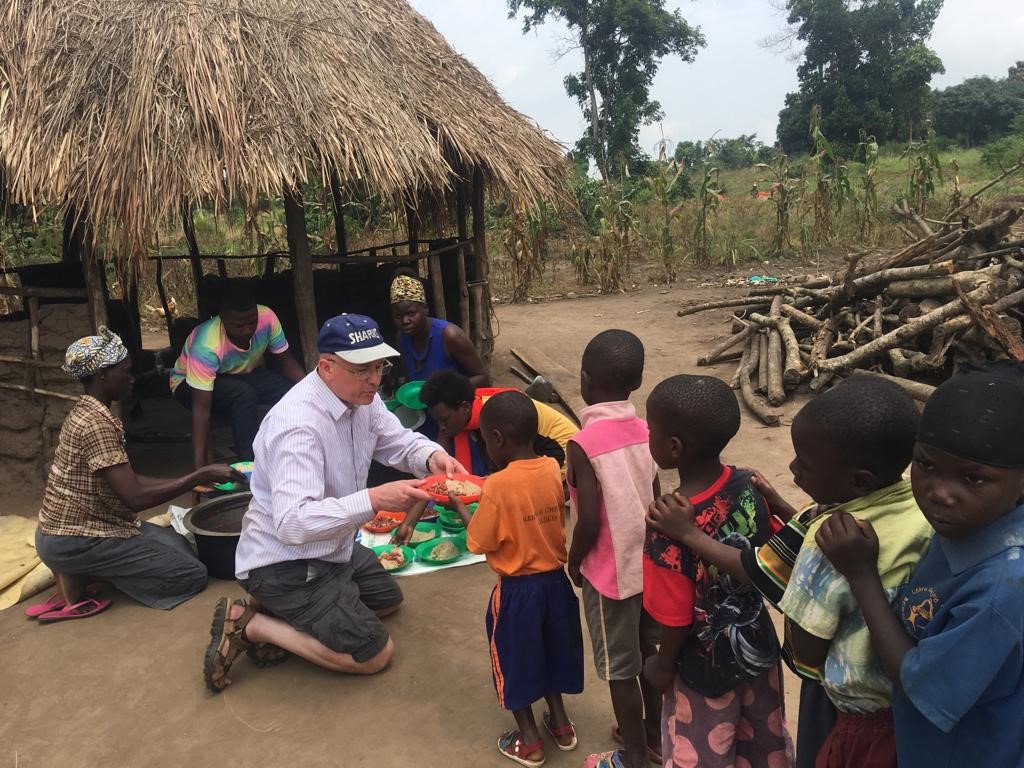
While it’s still very much work in progress, something I’ve started to do is pray with my laptop open. Now, of course, there are huge opportunities for the laptop to provide distractions from prayer! But I’m actually finding it helpful. For example, I keep in touch with a large number of people across the world through WhatsApp, both individually and in groups. Going through the list of people with whom I’ve recently been in contact and praying for them, sometimes also sending messages, really helps. Similarly with emails and Facebook posts. In a future blog post I’ll be telling you about the websites I’ve been putting together for orphanages, in fact it’s going through the analytics which helps guide my prayer. And I also turn to the online newspaper and pray for world events.

Not perfect and, as I say, still very much work in progress, but I’m finding this approach really helpful at the moment. Would love to hear from you as to what you think! If you try this out, let us know how it goes! If you’ve found a way of structuring your prayer life in a manner which works for you, tell us about it! If you would like to be on my WhatsApp list of people to pray for, please contact me on +44 7946 381918.

Let’s encourage each other in this important aspect of Christian living – and challenge each other, holding each other to account in a spirit of Christian love and service. In all things, at all times, to God be the glory!

19/9/21: boat trip on Lake Victoria

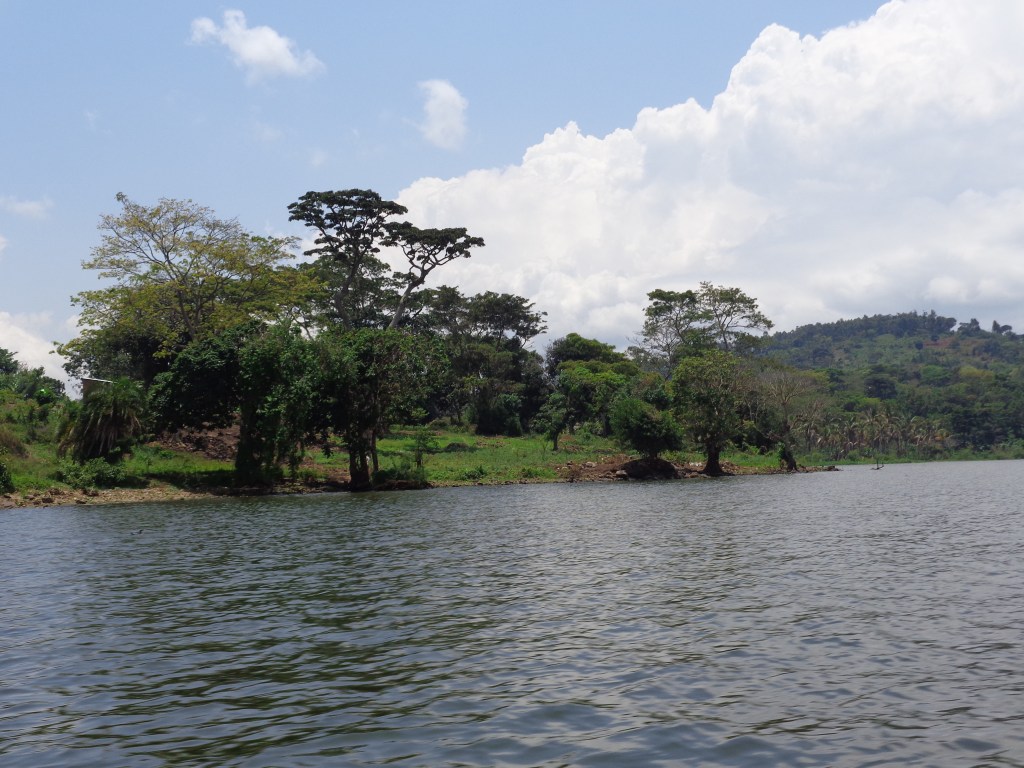
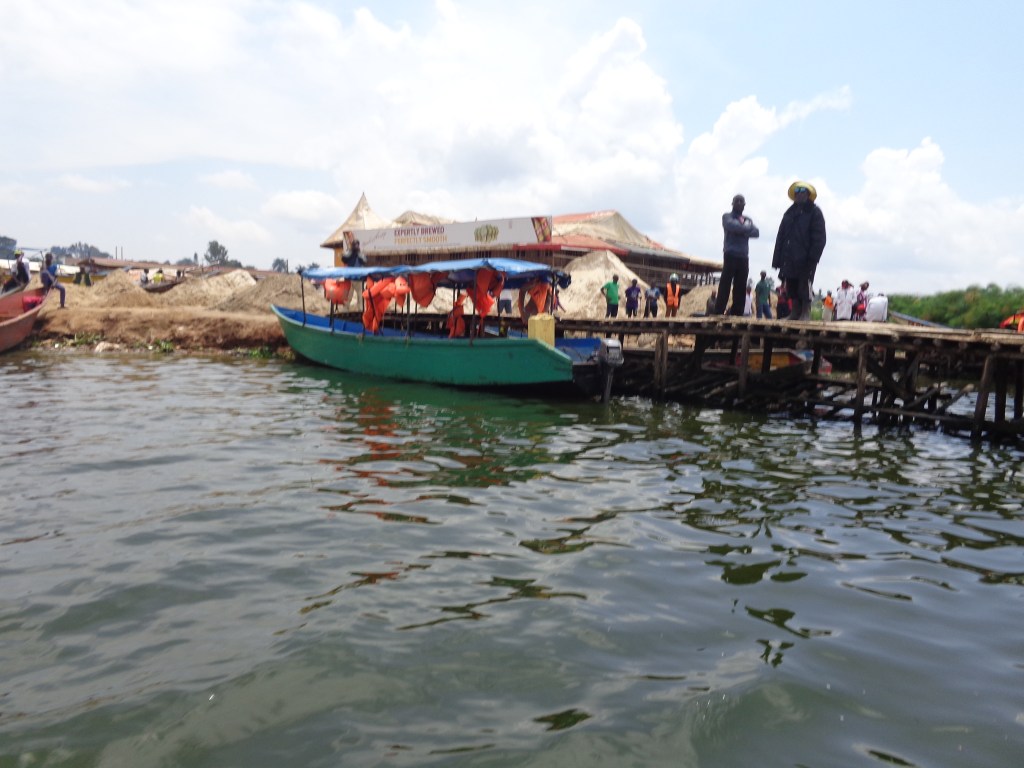
In this blog post I described the walk from Muyenga, the suburb of Kampala in which I’m living, to the shores of Lake Victoria along a train line. Once you’re there you can take a boat ride on to the Lake and explore some of the nearby islands. So last Sunday that is what I did!

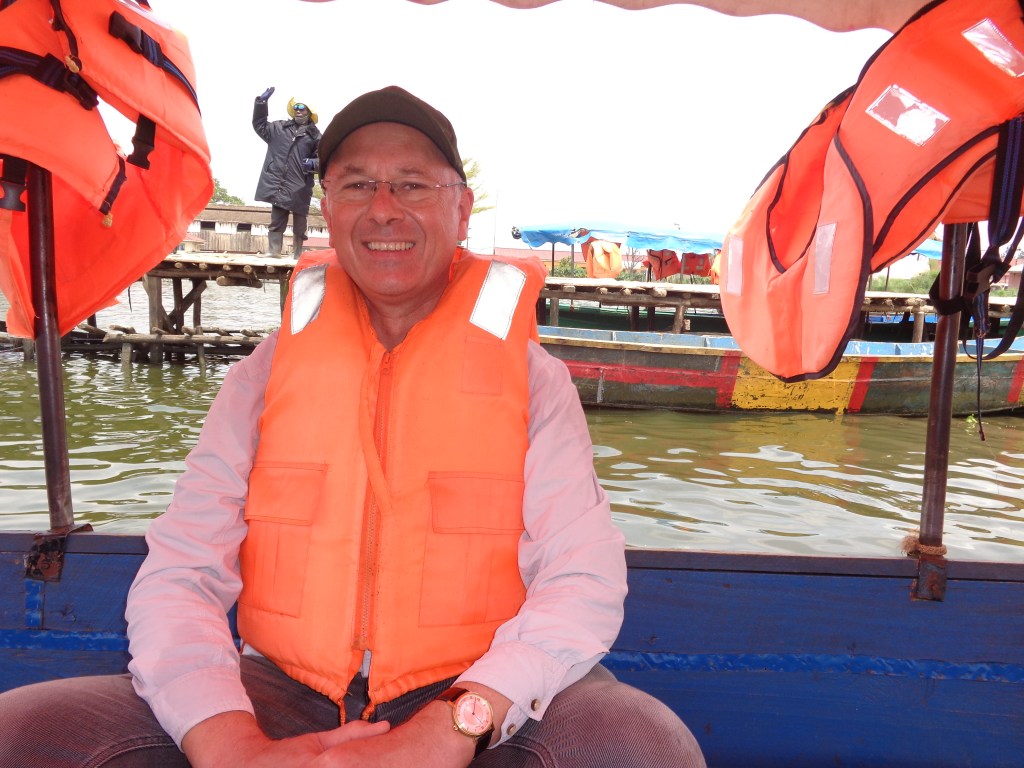
Very pleased to go with my friend and colleague Memory. Memory is our sports director and also runs classes for staff, my goodness they’re good! Even if I can’t walk for a day or two afterwards…. Here we are together:

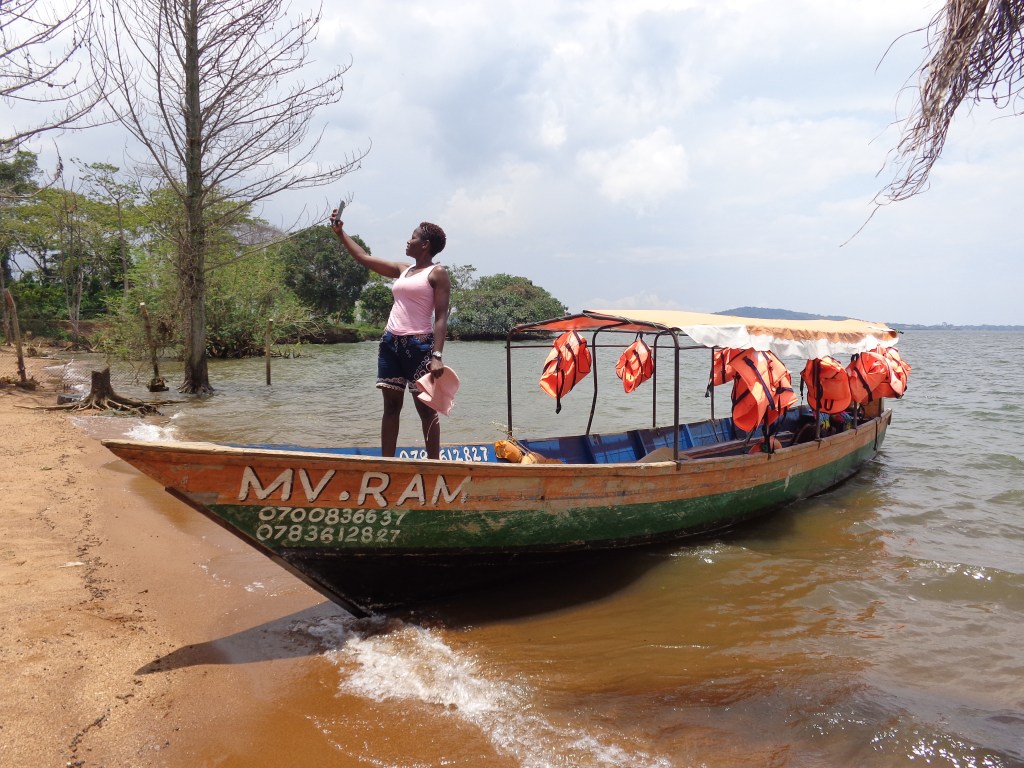
Here is the boat we sailed, with Memory taking a selfie and our captain and crew Ali and Hassan:

I mentioned in this blog post that Kampala is built on hills, which is very obvious when you’re here but quite difficult to take pictures of. One of the things you get from being on Lake Victoria are great views of the city which do show this up, at least when you’re there, hope the pictures below show this to some extent:

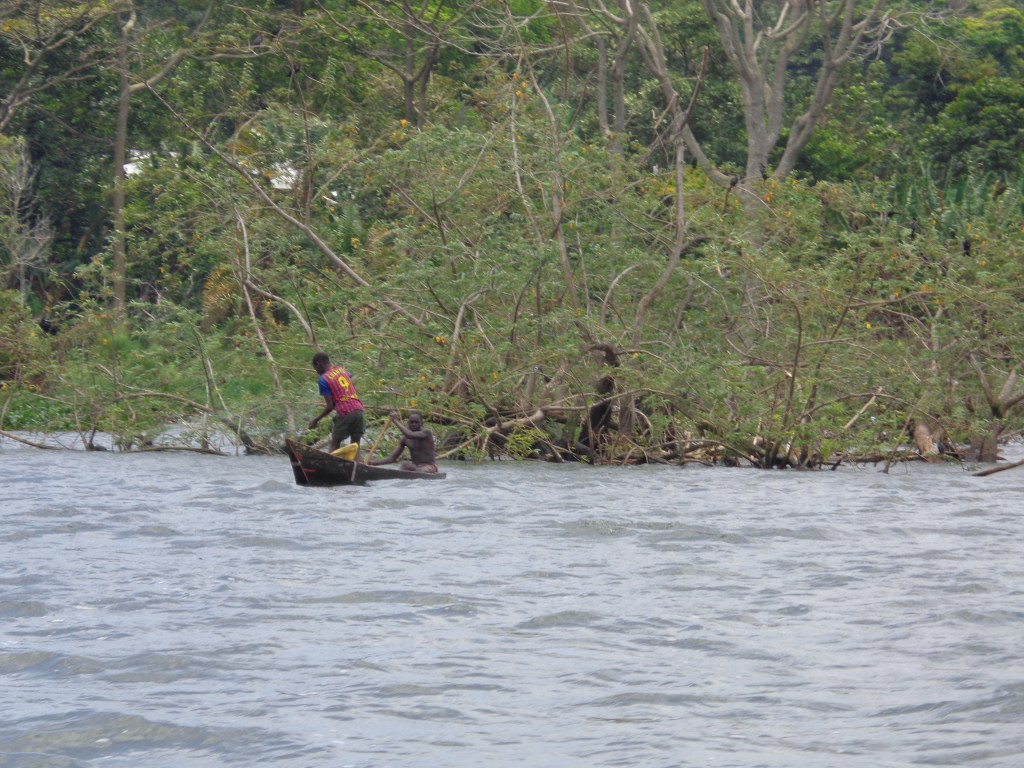
When we go back again we may well explore the islands more, in the meantime, here they are from the water, with evidence also of the fishing which goes on:

And then lunch in Port Bell afterwards and a boda ride back to Muyenga. So a great day, thank you, Memory! Already we have plans to invite more colleagues and their families to join us with picnics. If you’re in Kampala and would like to come please let me know. Meanwhile, a couple more pictures to finish, thank you for reading.

4/9/21: trying to recapture the fun of being at school

SPOILER ALERT: please note that this post assumes you already know the ending of Robert Louis Stevenson’s, “The strange case of Dr Jekyll and Mr Hyde”. If you don’t, please consider yourself extremely fortunate! Suggest you stop reading now and return to this post when you have read the book. Enjoy!

Over lunch last week one of my English teacher colleagues was talking about how, when studying a novel, a small number of students in the class will race ahead, find out the ending and then spoil it for everyone else. Of course, the extent to which this is an annoyance depends on the book. I would give Lionel Shriver’s “Big Brother” as a strong example of a book which one experiences very differently the first time not knowing how it finishes to subsequent reads when one does – I’ll not say more because I don’t want to do any more spoiling of the ending of books in this post.

The particular case in point was, “The strange case of Dr Jekyll and Mr Hyde.” The idea that the two people are in fact one is so well known to me as almost to be part of the English language. Although I have no memory of actually having previously read the book at any stage in my life, nor even of seeing the story on screen. So it was quite a surprise to be told that, in the book, it is not initially at all clear that the two characters are in fact one. And interesting to hear that, when it is used as a school text for 12-year-olds (thereabouts, English teachers, please correct me if I’m wrong!) that the grand reveal comes as an enormous surprise. So long, of course, as somebody hasn’t already spoilt the surprise for them.

So, I determined to read the book. To discover that it is very short, cover to cover took me about one and a half hours. I so, so wish that I could have read it without knowing what was going to happen! It is beautifully written so that the uninitiated reader doesn’t know where it’s heading, and if you do, there’s nothing which has you thinking, “Hold on! Since Dr Jekyll IS Mr Hyde, THAT can’t have happened!”

So the big question for me reading the book was how the grand reveal comes about. Somewhat to my surprise, it’s about 3/4 of the way through the book, I was expecting it to be right at the very end. The remainder of the book is a first hand account from Dr Jekyll about his journey to discover his alter ego and how it gradually got out of control. So, lots to hold my interest notwithstanding.

I know the grass is always greener on the other side, but it must be such fun to be an English teacher and present at some of the, “Really? Dr Jekyll IS Mr Hyde?” moments. I think the closest we come in mathematics is the occasional sense, maybe when doing quadratic equations or trigonometry, of, “This is great! I am doing something today which I very definitely couldn’t do yesterday!”

Of course, much learning at school is work-a-day, incremental, you can’t expect each and every one of the 15 000 or so hours that we spent at school to have an ‘A ha!’ moment. When they come they’re really special. Please, don’t spoil the endings of books for youngsters who have not read them! And there’s plenty of literature in the world which is not so well known but still great to read, let’s all endeavour to keep reading and learning, part, I suggest, of our mission to reflect the mind of Christ.

Two things as I finish. Whilst searching for ‘Jekyll and Hyde’ on my Kindle I came across two huge great volumes, 75p (about US$1) each, called, “50 Masterpieces you have to read before you die.” A quick glance at the contents – “Robinson Crusoe”, “Tarzan of the Apes”, “A Room with a View” – reveals loads of books of which I’ve heard but can’t remember ever reading. So watch this space! May well be back on this theme soon.

Secondly, another theme I may well be writing about in due course is Biblical integration, the idea that, as a Christian school, Biblical principles should underpin the entirety of the curriculum. Certainly “Jekyll and Hyde” lends itself extremely well to analysis from a Christian perspective, including the nature of humanity before God, sin, and much else. Meanwhile, if there’s anything else you think might be interesting to read about, please let me know. Thank you for reading today, I’ll be back in touch soon!